
Introduction:
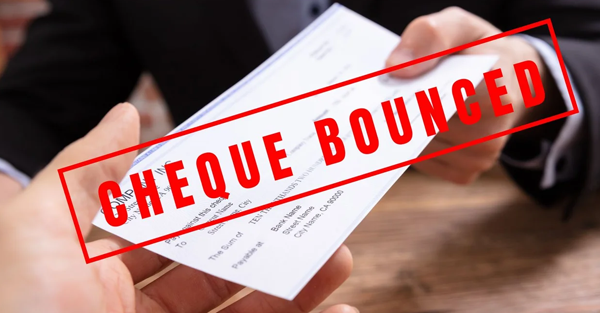
Cheque dishonour is a common financial dispute in India, often arising in commercial transactions, loan repayments, or service contracts. Section 138 of the Negotiable Instruments Act, 1881 provides a statutory remedy to the payee when a cheque is returned unpaid due to insufficient funds or other reasons. This blog outlines the legal framework, procedural steps, and compliance requirements—without offering case-specific advice or guarantees.
Understanding Section 138: Legal Foundation
Section 138 criminalizes the act of issuing a cheque that is dishonoured due to insufficient funds, account closure, or a mismatch in signatures. It empowers the payee to initiate criminal proceedings, provided certain conditions are met.
Conditions for Filing a Complaint Under Section 138
To invoke Section 138, the following must be satisfied:
- The cheque must be drawn for the discharge of a legally enforceable debt or liability.
- The cheque must be presented within its validity period (usually 3 months).
- The bank must return the cheque unpaid.
- A legal notice must be issued to the drawer within 30 days of dishonour.
- The drawer must fail to make payment within 15 days of receiving the notice.
Step-by-Step Legal Process
- Issue Legal Notice:
The payee must send a written demand notice to the drawer within 30 days of receiving the bank memo. - Wait for Response:
The drawer has 15 days to make the payment. - File Complaint:
If payment is not made, the payee can file a complaint before the Magistrate within 30 days after the notice period ends. - Attach Supporting Documents:
- Copy of dishonoured cheque
- Bank return memo
- Copy of legal notice and proof of delivery
- Affidavit and complaint form
Jurisdiction and Court Procedure
The complaint must be filed in the jurisdiction where the cheque was presented for payment. The Magistrate may issue a summons, record evidence, and proceed to trial. Conviction may result in imprisonment up to 2 years or a fine up to twice the cheque amount.
Conclusion:
Section 138 offers a structured legal remedy for cheque dishonour, but strict adherence to timelines and documentation is essential. Individuals are advised to consult legal professionals for case-specific guidance. Lawgical Associates provides educational resources to promote legal awareness and procedural clarity.

